


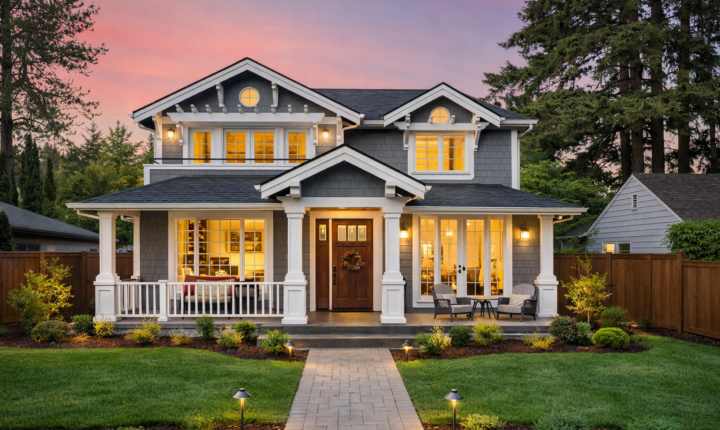
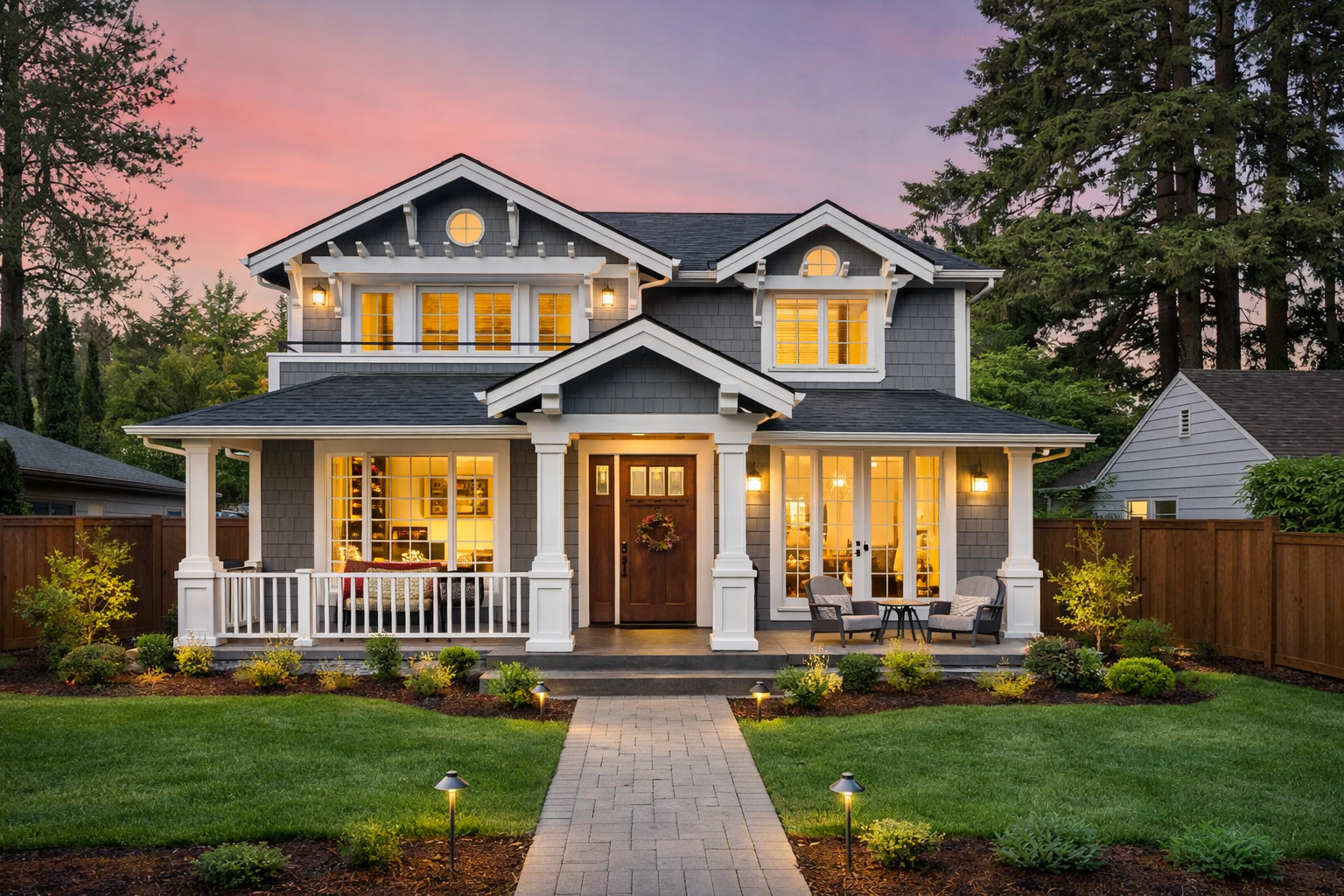
Homebuying priorities in 2026 are shifting back to long-term living
Everest talks ‘forever homes’ and mortgage strategy that’s built to last

In the 2000s and 2010s, homebuying was driven by one central goal: get as much house as possible for the budget. Buyers prioritized square footage, dramatic layouts, and move-in ready finishes designed to impress.
Back then, these trends made sense. Many buyers expected to move again within a few years because home affordability and availability felt more predictable. Homes were seen as stepping stones in that they were designed for “now” and not necessarily for the long run. For most families, the prospect of moving or trading up seemed relatively easy.
But 2026 buyers are forced to think differently. Let’s discuss!
Less square footage, more staying power
Flash forward to today, and people’s priorities have shifted. Rather than focusing on the biggest house or what looks best on paper, buyers are asking more practical questions.
Can I comfortably afford this payment long-term? Will this home easily adapt as my lifestyle changes? Will it still work for my family years from now?

Economic uncertainty and market volatility are partially responsible for this shift. Everest Loan Officer Rebecca Jacob explains, “Today, there’s a broader trend toward stability and intentional decision-making. Demand is shifting back toward manageable monthly payments, flexible layouts, lower maintenance costs, and everyday comfort instead of resale appeal.”
Mortgage and real estate professionals agree: the “forever home” mindset is back in fashion.
Check out some stats on the subject.
The Forever Home Trend
In numbers
-
-
-
-
-
-
The median length of homeownership is now approximately 10-13 years, up from 6-8 years in the early 2000s
-
The share of first-time buyers dropped to an historic low of 21% in 2025 with their median age at an all-time high of 40 years
-
Experts estimate that “delayed or denied” homeownership until the age of 40 (as opposed to 30) equals a loss of $150,000 in potential equity
-
-
-
-
-
So, what else is behind the shift?
Higher prices, fewer options
“Nowadays, tight inventory and rising home prices are enough to keep people in place longer,” says Rebecca Jacob. “It’s also no surprise that many buyers cite ‘high mortgage rates’ as a reason for their long-term thinking. Now more than ever, it’s important to work with an experienced loan officer to find a mortgage product you can comfortably afford.”

As more people approach homeownership with a long-term mindset, your friends at Everest encourage you to consider some of the more appealing (and practical) reasons to shop for a forever home.
Planning to stay put isn’t necessarily about giving up square footage or settling for a home that isn’t your style. For most people, it’s about confronting financial realities and setting up your family’s future strategically and responsibly. And if you’re lucky enough to find the house of your dreams, that’s like icing on the cake!
Here are five compelling reasons why you should prioritize affordability and adaptability in your home search.
Why Finding a Forever Home is Smart in 2026

Uncertainty around future affordability
With home prices, interest rates, and everyday cost of living remaining relatively high in 2026, many buyers can no longer assume that moving again in a few years will be easier or even cheaper. Purchasing a home that works for the long haul is like a form of financial security. At Everest, we help buyers lock in housing costs that they can plan around for the next decade and beyond.
The rising cost (and stress) of moving
The process of moving has always been disruptive, but today, it’s also significantly more expensive. Closing costs, higher mortgage rates, competitive markets, and the logistics of relocating a household add up quickly. For many buyers, avoiding repeat moves makes more sense both financially and emotionally.
Homes need to work harder than ever
Hybrid and remote work have permanently changed how people use their homes. Extra bedrooms, finished basements, and flexible layouts are no longer “nice-to-haves.” They’re essential. So instead of focusing on square footage or modern finishes, think about the configuration of the home and whether it can adapt with your family over time. For instance, a guest room can shift from office to play room to hobby room as needed.
Planning to age in place earlier
Even younger buyers are thinking ahead to accessibility and long-term comfort. Instead of flashy amenities, prioritize first-floor living options, wider hallways and doorways, non-slip flooring, and good lighting. You may be well before retirement age, but the goal is to avoid a home that forces a move later due to physical limitations or changing family dynamics. This includes looking for the number of bedrooms your family might need down the line.
A desire for stability in an uncertain world
Beyond finances and floor plans, there’s a growing emotional factor at play. After years of economic shifts and remote work changes, many buyers are craving stability. A home that can support multiple life stages offers a sense of control—and peace of mind—that shorter-term housing simply cannot match.
Everest says: buy with intention,
plan for the long haul
Mortgage strategy that’s built to last
Everest Equity
Supporting your life today. Securing your tomorrow.
Reach out to explore long-term loan options.