


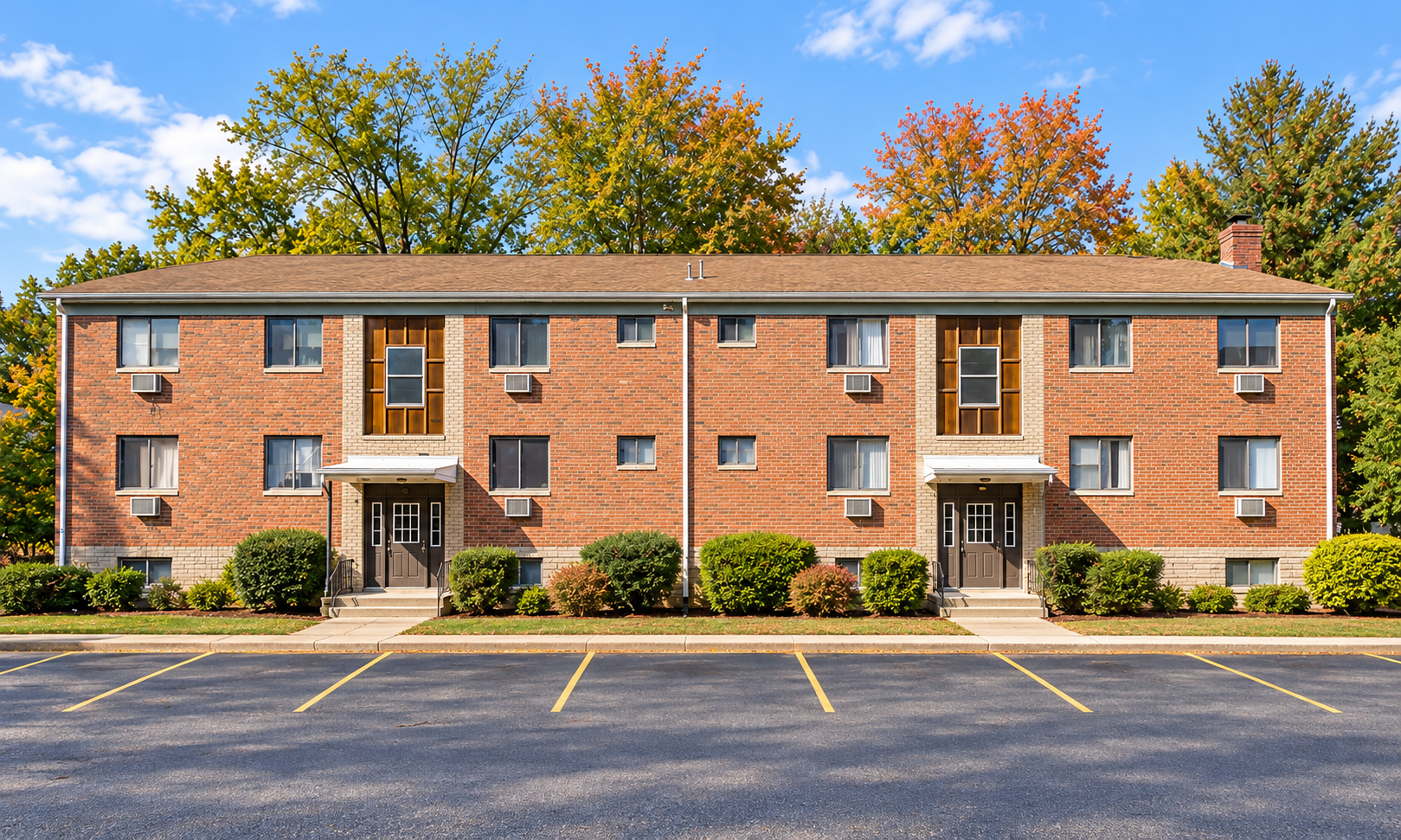
Multifamily investors: Are you willing to look beyond luxury?
Everest counts down 7 reasons to put Class B on your radar.

Everyone notices the penthouse. But what’s happening a few floors down?
This month, we’re taking a step back from the glitz and glamour of the luxury multifamily market to take a closer look at Class B. In other words, the middle market. These ‘sweet spot’ properties possess some really special attributes including desirable locations, excellent affordability, and opportunities to create even more value via future improvements.
Class B multifamily properties tend to sit in established neighborhoods and serve a broad pool of renters. In New York and across the Northeast, location and affordability play a major role in where renters choose to live, and that winning combination is worth a deeper dive.
“Sometimes the most interesting property isn’t the newest one on the block,” says Everest Loan Officer Shimon Lefkowitz. “It’s one with good bones and a clear path for someone to make it even better. Multifamily investors should absolutely be looking at Class B.”
So, what exactly makes the middle market so tempting? Here are 7 reasons why investors should look beyond the luxury label and consider the quiet contender.
7 Reasons Class B Just Makes Sense
1. Affordability is an Advantage

Not every renter is looking for the newest building with the longest list of amenities. For many households, the priority is finding a comfortable home in a nice location at a monthly rent that fits their budget.
In essence, Class B properties serve the biggest and broadest potential buyer pool. These middle-of-the-road properties offer many of the essentials that renters want without requiring them to pay a premium for features they probably won’t use (think: rooftop lounges and resort-style pools). Remember that value can be an amenity all by itself.
2. Location Beats Newness

A brand new building may have the finest finishes, but it cannot move closer to a train station, downtown district, major employer, or a neighborhood that renters want to call home. This is how Class B maintains its edge. These properties are often located in communities with infrastructure already in place including proximity to transportation, shopping, restaurants, schools, and other everyday conveniences.
“Investors should look closely at what surrounds a property,” says Mr. Lefkowitz. “A strong location will continue to attract prospective tenants long after the finishes start to look dated.”
3. Value Add Adds Potential

Keep in mind: a Class B property does not have to stay exactly how you bought it. Depending on the asset and your investment strategy, you can renovate units, modernize systems, enhance curb appeal, or introduce amenities that better reflect what today’s renters want.
The goal isn’t necessarily to turn a middle market building into a luxury asset (although many investors choose to take that approach). Rather, thoughtful improvements can boost the property’s appeal and create additional value over time. The luxury market offers less room for that kind of transformation and future ROI potential.
4. Less Luxury Competition

Luxury multifamily has become an increasingly competitive segment. Developers and owners are competing for renters who can afford the higher price points. Considering how expensive things are these days, that group is getting smaller and smaller.
Middle-market properties entice tenants who are strictly looking for lower rents, but they also appeal to people who are willing to make tradeoffs. Many will choose a slightly older apartment because it’s closer to work or located in a neighborhood they like. For investors, the broader the renter pool and the lighter the competition, the better.
5. The Segment is Sizeable

Class B is not a niche corner of multifamily. It represents a substantial portion of the existing rental housing landscape—especially in our local New York and New Jersey markets. From smaller multi-unit buildings to garden-style communities, investors can find properties across a wide range of sizes, locations, and business plans.
Mr. Lefkowitz adds, “There’s a tendency to equate newer with better, but multifamily investing isn’t a beauty contest. The diversity of the Class B market gives investors more properties to consider.”
6. More Flexible Financing

Another Class B benefit is having more ways to structure the investment around the property’s potential. A middle-market acquisition may come with plans for renovations and other improvements, and the financing strategy can be designed with the bigger picture in mind.
“Bring us into the conversation early,” advises Mr. Lefkowitz. “When we know what you’re trying to accomplish with the property, we can look at the financing alongside the business plan and help you understand what structures may make sense.”
7. You’re Filling a Housing Gap

As housing costs skyrocket across the country, Class B properties provide a practical rental option for people trying to balance their household budgets. This segment gives investors a chance to own and improve an asset that serves a real community need. Now that’s something worth backing.
But at the end of the day, investors still need the numbers to work. Here at Everest, our goal is to create a win for the community and a sound investment for the owner. That’s the sweet spot!
Everest says:
Make multifamily your middle ground
Class B, Backed Right
Everest Equity
Look beyond luxury.
Invest in what’s possible.