


Looking to make a smarter home purchase in 2026?
Everest is here to help you think beyond the closing table.

In today’s market, buying a home means thinking further ahead than ever before. The right property should support not only the way you live now, but also your ability to build long-term value over time. Because when it comes time to sell, not all homes perform equally.
Some properties attract strong demand no matter the market conditions. Meanwhile, others sit longer, require multiple price reductions, and appeal to a much narrower pool of buyers. That difference has less to do with timing and more to do with the home itself.
Simply put, some homes are better positioned to hold their value over time. They appeal to a broader range of people and continue to feel relevant as preferences shift. Others, while attractive in the moment, can be more sensitive to changing trends or lifestyle needs. What feels like a perfect fit today may not resonate as strongly a few years from now.
That’s why it’s important to look beyond surface-level appeal and consider how a home will function in the long run.
Let’s discuss!
Understanding trendy vs. timeless

It’s easy to get caught up in finishes, staging, and first impressions when shopping for a home. But long-term resale potential is driven by deeper fundamentals.
“Buyers often focus on what feels exciting,” says Everest Loan Officer Shmuel Breuer. “But the homes that perform best over time are the ones that continue to meet people’s needs as lifestyles evolve. So, it’s important to think beyond aesthetics.”
A bold tile choice or ultra-trendy design may stand out today, but it will likely feel dated in just a few years. On the other hand, homes with practical layouts and enduring materials tend to attract consistent demand across different buyer pools.
Now, the question is: which features make the best impression?
The forever factor
In numbers
-
-
-
82% of buyers say having a dedicated home office or flexible space is important
-
78% of buyers prioritize homes in walkable or amenity-rich neighborhoods
-
71% of buyers prefer homes with low-maintenance features, such as updated systems and durable materials
-
-
Clearly, today’s buyers are more practical than ever. They’re looking for homes that make everyday life easier and that shift is shaping what holds value over time.
Not every upgrade adds value

Research shows that highly personalized features, overly segmented layouts, and high-maintenance upgrades can limit your future buyer pool. Furthermore, design choices that feel very specific to one person’s taste don’t always translate.
Shmuel Breuer explains, “It’s best to avoid highly personalized features like murals or hobby rooms. They’re interesting to talk about, but may make it difficult for the next buyer to picture themselves in the space. The same goes for layouts that feel closed off. Too many small, separated rooms can make a home feel less functional compared to the open, connected spaces many buyers expect today.”
Here are a handful of design choices that may not translate well:
-
-
-
-
Bedrooms converted for a specific use (salon, recording studio, oversized closet)
-
Wall-to-wall built-ins meant for a particular hobby or storage need
-
Painted murals, themed rooms, or very bold color choices (red, black, purple, orange)
-
Odd room access (a bedroom only accessible through another bedroom)
-
Oversized formal spaces that don’t match how people live today
-
-
-
There’s also the question of upkeep. Certain upgrades look impressive at first glance, but if they come with added maintenance or ongoing costs, they may give future buyers pause. Over time, those considerations can impact both demand and resale value.
On the flip side, homes that feel adaptable, efficient, and easy to live in tend to remain in demand regardless of market conditions.
So, what should you actually be looking for? Check out Everest’s top five list of future-proof resale features.
5 Home Features That Drive Long-Term Resale Potential

Flowing Layouts
Open floor plans continue to win over buyers. Homes with natural flow between the kitchen, living room, and dining space feel larger and are generally more appealing to a wide range of buyers. Awkward layouts or overly chopped-up spaces can be harder to reconfigure (and thus, harder to sell).
Flexible Spaces
The rise of remote work has permanently changed buyer expectations. Bonus rooms, finished basements, dens, and even small nooks within an existing room are all great for resale because of their flexibility and longevity. Homeowners see these spaces as multifunctional since they can easily serve as offices, gyms, guest rooms, play rooms, etc.
Location that Supports Lifestyle
Think of it this way: you can renovate a kitchen, but you can’t move the house! Walkability, proximity to shops and restaurants, access to transportation, and strong school districts consistently rank among the most important drivers of home resale value. Properties in lifestyle-friendly locations tend to hold demand even in shifting markets.
Low-Maintenance Materials
Today’s buyers are also thinking about total cost of ownership. Durable flooring, updated roofing, energy-efficient windows, and modern systems (HVAC, plumbing, electrical) reduce ongoing expenses and future headaches. These features may not be flashy, but they’re highly attractive when it comes time to list.
Timeless Over Trendy
Neutral palettes and classic finishes are king. Research shows that simple design choices age far better than bold, highly specific aesthetics. That doesn’t mean your home can’t have personality. Still, the more universally appealing it is, the broader your future buyer pool will be.
One More Thing: Does Home Style Matter?

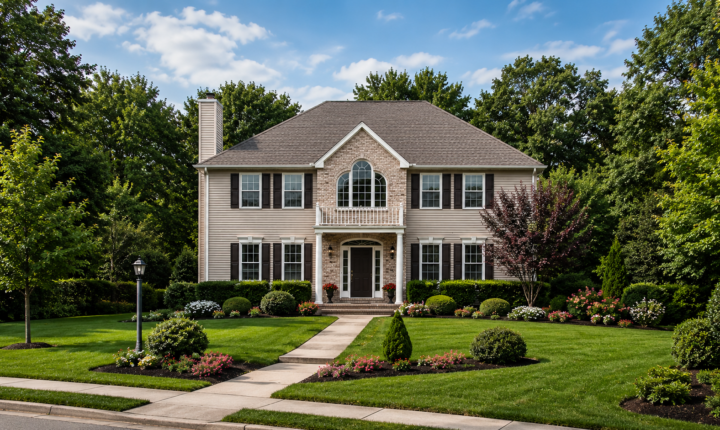
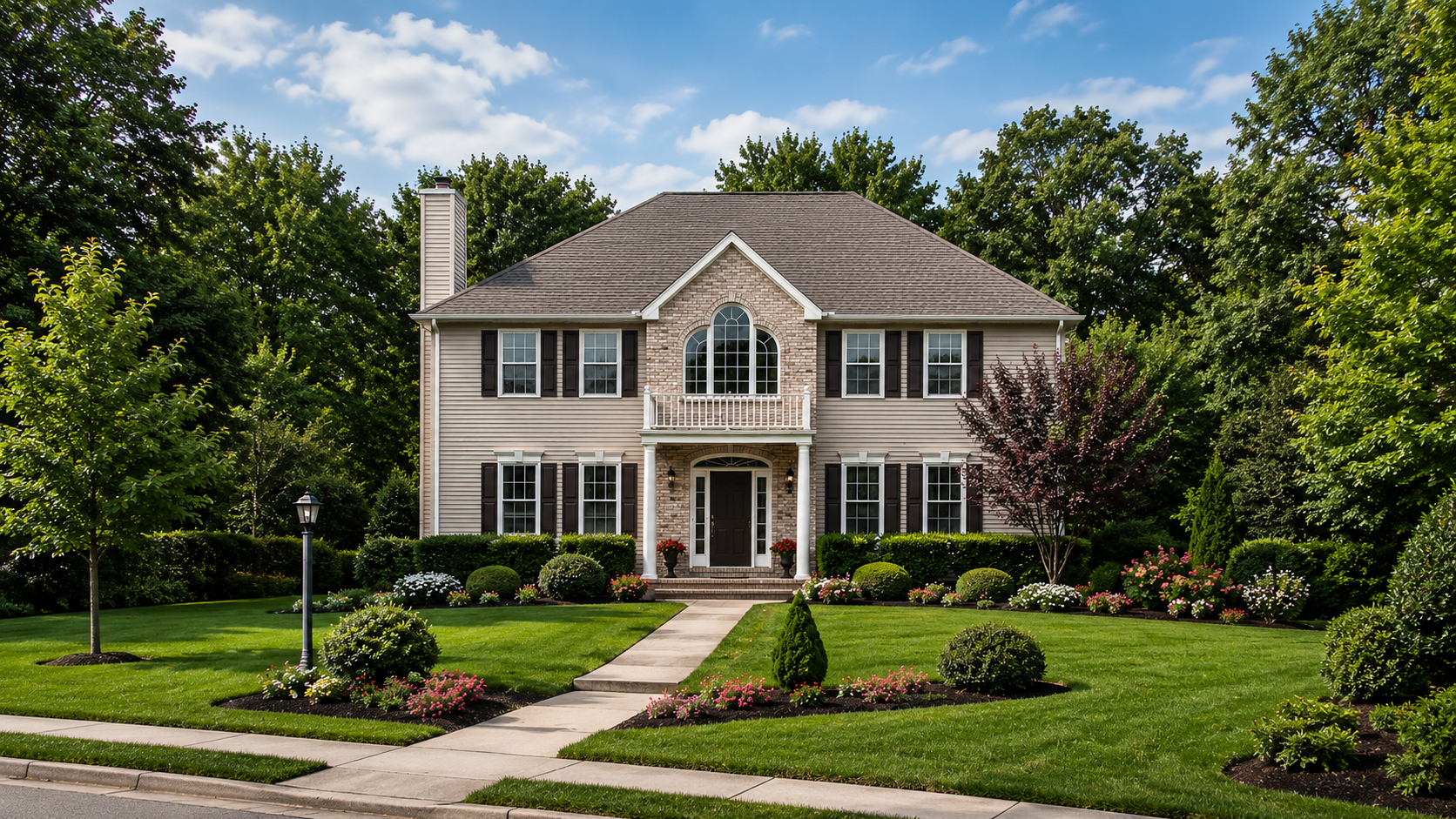
Yes—home style does matter for resale value because it influences both buyer demand and long-term market appeal. Colonial homes tend to perform strongly due to their timeless, widely recognized design. Ranch-style homes also consistently hold value well, driven by their single-level, open, and highly functional layouts. And Craftsman homes round out the top performers, blending character with practical, livable design that continues to resonate with today’s buyers.
While there aren’t any obvious “bad” homes, weaker performers tend to be more niche. Think: split-level homes, super contemporary designs, and highly ornate or era-specific architecture.
Everest says:
Buy like a future seller
Guidance you can bank on
Everest Equity
Make your next home purchase a long-term win with
financing strategies designed for all time.