|
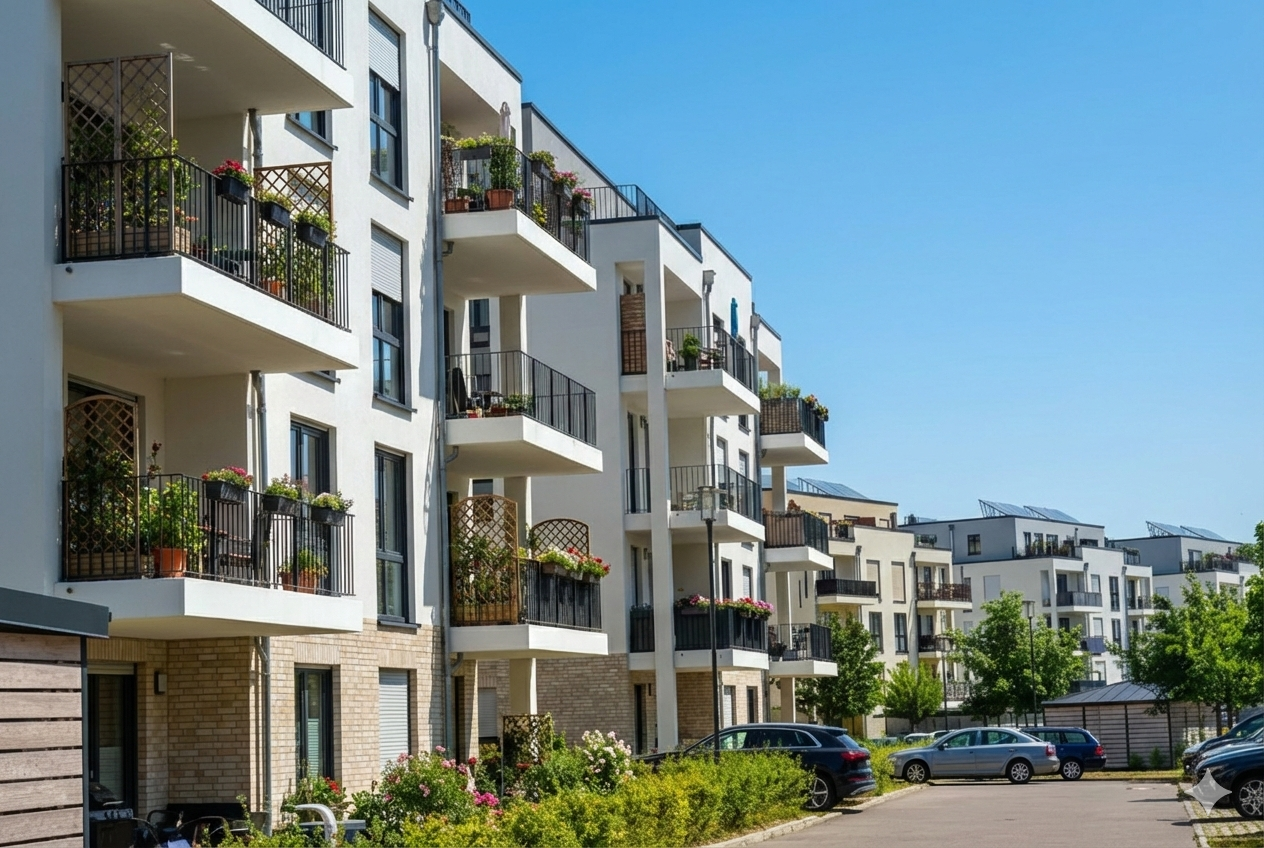
Meet the asset class that never goes out of style Why multifamily investments continue to outperform Commercial real estate trends are constantly evolving. But in a sea of change, one asset class emerges as the ultimate even-keeled investment: multifamily. Compared to riskier property types that ebb and flow with economic cycles, the resiliency of multifamily is what makes it the darling of borrowers and lenders alike. From modest duplexes and triplexes to large apartment complexes and high-rises, these properties address America’s fundamental and enduring need for housing.
That built-in demand, coupled with recurring rental income, helps make multifamily the most financeable asset class in 2026 and beyond. Investors like multi-unit housing for its stability and favorable financing options. Everest loan officer Motti Klein explains, “Multifamilies work because they’re rooted in real demand. People always need a place to live, and that consistency is what makes these properties so attractive to both investors and lenders.” Defying demographics—one lease at a time One of the strongest arguments for multifamily’s staying power lies in numbers. Multiple generations are simultaneously driving rental demand, creating a rare alignment that supports long-term performance.
Millennials (the largest segment of today’s workforce) continue to rent longer due to affordability challenges and their desire for lifestyle flexibility. Meanwhile, Gen Z is entering the rental market in full force, preferring walkable locations and professionally managed properties. And while baby boomers notoriously hold the greatest share of U.S. housing wealth, a huge number of them are choosing rentals out of convenience (or as a means of downsizing). Over the past few years, this perfect storm has created sustained pressure on rental supply, further reinforcing multifamily’s appeal as a durable investment. Let’s take a look at some stats. Stability meets scale Multifamilies in numbers
For investors, the sheer number of U.S. renters points to reliable income (even in uncertain markets). And from a lender’s perspective, reliable income is everything!
Multifamily properties benefit from diversified revenue streams, as multiple units means less reliance on any single tenant. If one unit goes empty for a while, income from others helps offset the impact. This structure reduces risk and enhances debt service coverage (DSC), which is a key metric lenders consider when underwriting commercial loans. “Multifamily properties don’t depend on one tenant or trend,” says Klein. “That layered demand translates into steadier income, which is exactly what lenders want to see over the life of a loan. It’s all about durability!” Returns you can appreciate In addition to reliable cash flow, multifamily properties offer solid appreciation potential. Rent growth, operational efficiencies, and value-add improvements can increase a property’s value, and that’s not always the case with other commercial investments. So, if you’re looking for a property type that holds its ground, look no further than multifamily! Recent data explains why investors remain confident as they pursue commercial real estate opportunities through 2026. Check out the stats below and connect with an Everest team member to discuss loan options today. We can’t wait to see your portfolio reach new heights! 5 Reasons Why Multifamily is the Most Financed Asset Class
Everest says: when markets shift, multifamily holds steady
Calling all commercial investors: Climb higher with Everest From first loan to last unit, our experts guide you every step of the way. Get in touch to start your multifamily success story in 2026! |
Multifamily’s staying power through 2026 and beyond
Jan, 30thJust the Peaks; Commercial, January '26