


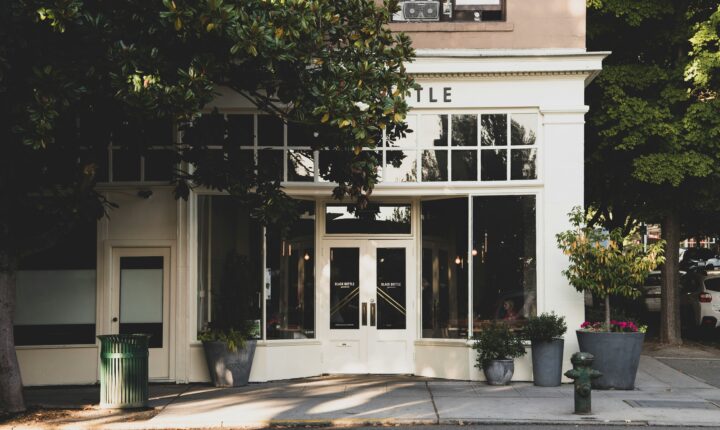

The Rise of Small-Format Retail
How Compact Storefronts Are Delivering Big Investor Returns
In an evolving retail landscape shaped by changing consumer behavior, rising e-commerce, and cost pressures, small-format retail — compact storefronts, micro-stores, service-based shops, and flexible neighborhood retail units — has emerged as a surprisingly resilient and increasingly attractive real estate investment niche.
For investors seeking a blend of cash flow, lower tenant risk, and diversification, small-format retail offers a compelling path forward. This month, alongside Everest commercial Loan Officer Heshy Sieger, we’ll explore why small retail is gaining steam, what to watch for when evaluating properties, and how investors and lenders are viewing this growing sector in 2026.
No time to waste! Let’s get cracking!

Why Small-Format Retail Is Gaining Momentum
1. Supply Constraints and High Absorption
As you may have gathered from our recent market analyses, there has been a persistent shortage of new retail supply in many U.S. markets. This is nothing new; in 2024 alone, over 9 million square feet of retail space was delivered nationwide in the first quarter. Yet, less than 25% remained available for lease by quarter’s end.
“These kinds of numbers show strong demand for well-located, high-quality retail space––and that’s not likely to change anytime soon,” says Heshy. “Coastal metros, sun belt markets, and urban infill neighborhoods have been hit especially hard by this trend.”
In many cities such as these, small rental units are particularly desirable for hosting quick-service restaurants, boutique shops, and convenience stores—all of which thrive on visibility and foot traffic without the overhead of large-box retail.
2. Tenant Demand for Lower-Risk Footprints
“It’s a modern age—and retailers are rethinking their footprints,” Heshy explains. “Rather than large, costly leaseholds, many businesses now favor compact, flexible retail units. These can carry lower fixed costs, easier management requirements, and a faster path to cash flow.”
For investors, this shift means steadier occupancy and less downtime between tenants. In addition, for service-based businesses like salons and clinics—and hybrid concepts like studio/cafes—small-format retail offers a low-cost entry point. On one hand, it makes rent more affordable for tenants; on the other, owners get more consistent returns.
3. Better Returns per Square Foot + Diversification Potential
Small-format retail can deliver strong net operating income (NOI) relative to its size. This is because smaller units often command similar or only slightly lower rents per square foot. However, with lower operating costs, the return on capital invested can be attractive. Additionally, because small units tend to draw a wider variety of tenants (retail, fast food, and neighborhood hubs), investors tend to diversify tenancy risk.
“Rather than relying on one large anchor tenant, a small-format retail asset may host multiple stable tenants whose varied business cycles and resilience can balance downside risk,” says Heshy.

What Small-Format Investors Should Look For
If you’re evaluating small-format retail investment opportunities for 2026, keep an eye on the following factors:
1. Location & Demographics
The value of small-format retail hinges heavily on location. High-visibility spots with good foot traffic—urban cores, walkable neighborhoods, transit-accessible areas—tend to perform best. Areas with growing population density, younger demographics, and mixed-use development nearby often create demand for convenience retail, local services, and small-scale hospitality.
“Markets with limited new retail supply and expensive cost per build-out tend to favor small-format retail, since construction of large retail centers often doesn’t pencil out,” explains Heshy. In such environments, small storefronts become scarce—boosting their value and rental stability.
2. Tenant Mix and Use Flexibility
Aim for a diversified tenant mix: a combination of service-based businesses, convenience retail, fast food, independent retailers, and specialty shops. Mixed-use zoning or flexible retail zoning increases your options and reduces your vacancy risk.
3. Operating Costs & Lease Structures
While lower square footage does often mean lower base operating costs, investors should pay close attention to build-out costs, maintenance, and common-area expenses. This is especially true if they are planning to turn a raw retail space into a restaurant or food service use, which often requires speciality equipment and utility upgrades.
“Lease structure matters,” says Heshy. “Many small-format tenants prefer 3-5 year leases with options to renew. That can be advantageous for flexibility purposes but risky for turnover—so good tenant vetting and lease terms are critical.”
4. Financing and Lender Perspective
Lenders are becoming increasingly comfortable with small-scale retail. Because of the lower vacancy risk and high demand for retail spaces in dense markets, these types of investments can perform well under stress tests, making them much more attractive for acquisition financers.
“Investors should still present conservative underwriting strategies,” Heshy cautions. “Assume turnover, potential build-out costs, and occasional downtime. With smart planning, and the help of an experienced loan officer, you can retain a favorable debt-service coverage ratio and solid equity returns.”

The Potential Pitfalls of Small-Format Investing
“Every investment comes with risk,” says Heshy, “But with the right strategies—and the right partners in your corner—you can help mitigate them.”
Here are some of our top tips:
-
Prioritize Diversity – Since short-term leases can lead to higher turnover, be sure to diversify your tenant risk, maintain a reserve fund for vacancies, and structure leases that encourage renewals.
-
Factor in Costs – If the space requires a major build-out, you’ll need to budget conservatively. It’s also a good idea to verify zoning and code compliance in the process of vetting your potential tenants.
-
Conduct Research – In neighborhoods where small retail units become overly plentiful, rents and occupancy rates may soften. Be sure to do careful demographic and supply-demand analysis before investing.
-
Partner Up – Because small businesses can be more sensitive to economic swings, a downturn could impact retail demand. Conservative underwriting by an experienced loan officer can help reduce exposure.

As the commercial real estate landscape continues to shift—with big-box retail under pressure and e-commerce accelerating—small-format retail emerges as a nimble, resilient alternative.
For investors focused on long-term value, steady cash flow, and portfolio diversifications, small-format retail isn’t just a hot new niche; it’s a compelling core asset class.
2026 here we come!
Everest says: When advantages are on the horizon,
our team will help you reach them.
Everest Equity
Helping You Grow Your Real Estate Portfolios Across
The United States Since 2004
Join the ranks of Everest’s top-performing commercial investors today!
Connect with a loan officer to finance your goals.